Currently Empty: $0.00
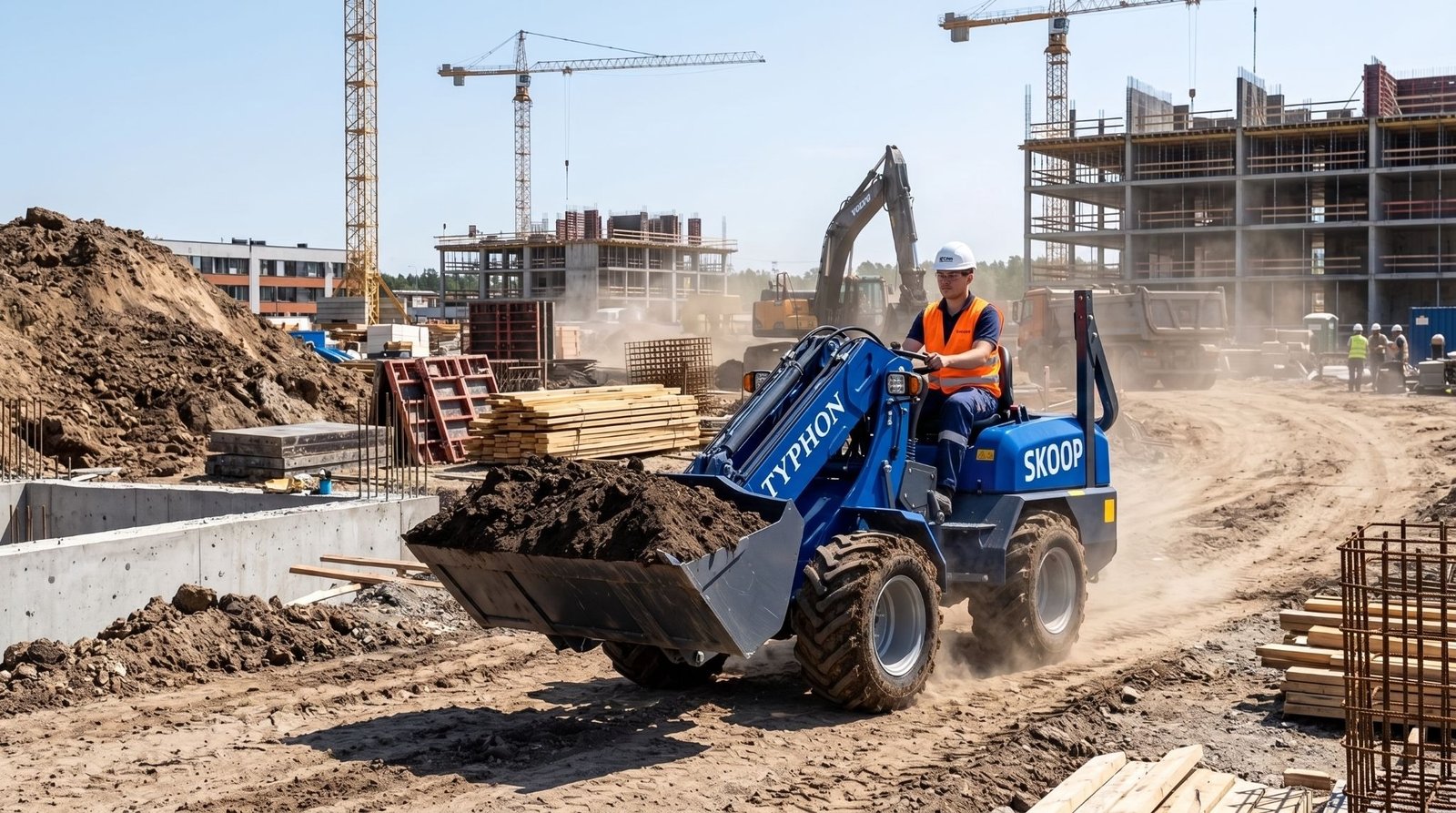
You back into a stockpile of damp sand, curl the bucket, and lift a heaping load toward the waiting truck. But halfway across the yard, you watch a steady stream trickle off the front lip, and by the time you dump, a third of your scoop is scattered across the ground behind you. Now multiply that spill by every cycle, all shift, all week. That lost material isn’t just a mess to clean up; it’s wasted fuel, extra passes, and money running off the edge of your bucket. The culprit usually isn’t the operator or the machine. It’s the bucket profile, the shape of the tool doing the work.
A wheel loader bucket isn’t just a steel scoop. Its profile, the curve of the floor, the height of the back, the shape of the sides, decides how much material it grabs and how much it holds onto. In this guide, you’ll learn how bucket profiles work, the main profile types and where each fits, how shape drives fill factor and spillage, why side walls and floor curvature matter for retention, how to match a profile to your material, and what to weigh before you buy. By the end, you’ll know how to stop leaving material on the ground.
What a Bucket Profile Actually Is
The bucket profile determines how the attachment interacts with the material from the moment it enters the cutting edge until it is carried away. It includes the bucket’s overall shape, floor curvature, side walls, and opening design, with each feature affecting how much material it can hold and how efficiently it works.
A well-designed profile improves material retention, reduces spillage, and helps the loader use its available power more effectively. Choosing the right shape for the job allows operators to move more material with fewer cycles while reducing unnecessary strain on the machine.
The Shape Behind the Scoop
A bucket’s profile is defined by its cross-section: the curve of the floor, the depth from front to back, the height and angle of the rear wall, and the shape of the sides. Together these features form a container tuned to a certain job. A deep, rounded profile cradles material and holds it against spillage, while a shallow, flat profile favors easy penetration and quick dumping over retention.
Think of it the way you’d think about the difference between a soup bowl and a dinner plate. Both hold food, but only one keeps it from sliding off when you tilt it. Bucket profiles work on the same principle, and matching that shape to your material is what separates a full load delivered from a trail of spillage.
Takeaway: A bucket profile is the engineered shape of the whole tool, and that shape decides how well the bucket captures and retains what you dig.
Why Retention Matters to Your Bottom Line
Material retention sounds like a small detail until you add up what poor retention costs. Every scoop that arrives light means more cycles to move the same tonnage, and more cycles burn more fuel, add more hours to the machine, and stretch the job longer than it should run. Spillage is a slow, constant leak in your productivity.
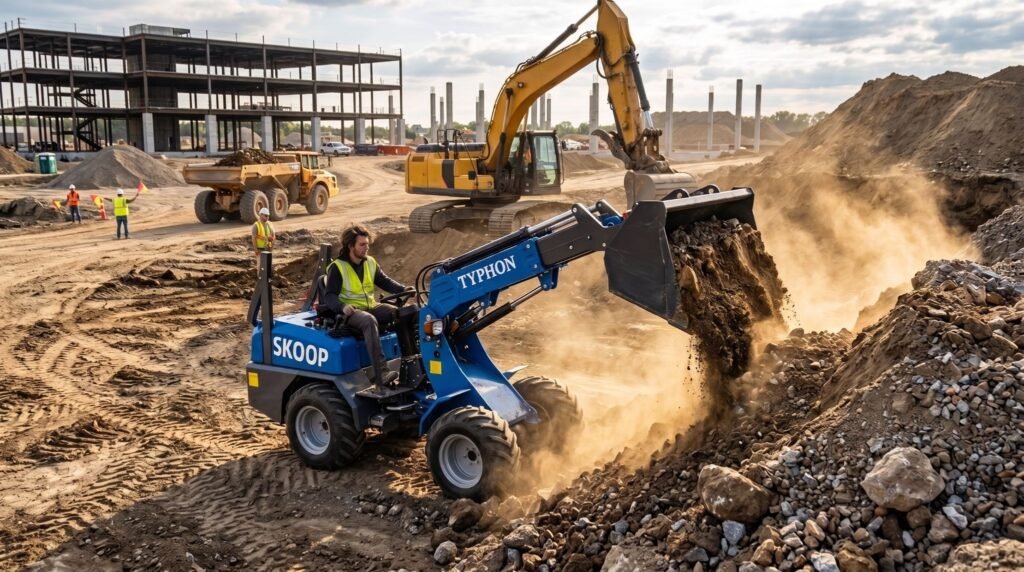
Good retention flips that equation. A bucket that holds its full load delivers more material per cycle, so you finish in fewer passes with less fuel and less wear. On high-volume work, that difference compounds into real savings, which is exactly why the right profile pays for itself long after the purchase.
The Main Bucket Profile Types
Wheel loader buckets come in several profiles, each engineered around a different priority. Understanding the main types helps you see why one bucket holds sand beautifully while another is built to claw into rock. Match the type to your work, and retention takes care of itself.
Each bucket profile is designed to handle specific materials and working conditions, from loose lightweight loads to dense and abrasive materials. A light-material bucket focuses on capacity, while a rock bucket prioritizes strength and durability. Selecting the right design improves loading efficiency, reduces spillage, and helps the machine perform at its best.
General-Purpose Profiles
General-purpose buckets are the sensible middle ground, balancing penetration, capacity, and retention for mixed everyday work. Their profile handles dirt, gravel, sand, and moderate aggregate without excelling at any single extreme. For operations that load a bit of everything, this versatility keeps you productive without swapping buckets as conditions shift.
The trade-off is that a general-purpose profile won’t match a specialized bucket in its niche. It won’t retain loose material like a light-material bucket or survive rock like a rock bucket. But for varied, moderate work, its balanced shape holds loads well enough across the board to be the dependable default.
Rock Profiles
Rock buckets are built to attack hard, abrasive, chunky material, and their profile reflects that. They typically run a more aggressive floor curve and a spill guard at the back to keep large rocks from rolling over the rear as you lift. Reinforced construction and a shape designed for penetration let them bite into blasted rock and quarry material.
Retention in a rock bucket is all about controlling large, awkward pieces. A tall rear spill guard stops chunks from tumbling back over the operator, and the profile’s shape cradles uneven material that would roll out of a flatter bucket. When you’re moving rock, that containment protects both your load and your safety.
Light-Material and High-Capacity Profiles
Light-material buckets handle low-density material like snow, wood chips, mulch, or loose feed, where the challenge isn’t weight but volume and spillage. Their profile is deep and high-backed with a large capacity, built to carry a big, fluffy load that would spill from a standard bucket. The tall sides and back keep loose material contained across the yard.
High-capacity profiles push volume even further for light or moderate material, maximizing the amount carried per cycle. Because low-density material weighs little, these oversized buckets can move huge volumes without overloading the machine. The generous, enclosing shape is what lets them hold those big loads without shedding material along the way.
Takeaway: General-purpose profiles balance versatility, rock profiles contain heavy chunky material safely, and light-material or high-capacity profiles enclose big, low-density loads, so the type you choose should follow the material you move most.
How Profile Shape Drives Fill Factor and Spillage
Two numbers tell you how well a bucket performs: how full it gets and how much it loses. Both trace directly back to profile shape. Understanding this link is what turns bucket choice from guesswork into a deliberate decision that raises your effective load every cycle.
Bucket efficiency depends on how well its shape fills, carries, and retains material throughout the loading cycle. A well-matched profile allows the bucket to capture more material while reducing spills during travel and dumping. This means more productive cycles, better fuel efficiency, and improved overall loader performance.
Understanding Fill Factor
Fill factor is how completely a bucket fills relative to its rated capacity, and profile shape strongly influences it. A profile that penetrates and loads easily fills closer to, or even above, its rating with a nicely heaped load. A profile that fights the material or resists filling leaves you with a bucket that’s only partly loaded even after a full pass.
The shape guides material as it enters. A well-designed floor curve rolls material up and back into the bucket, packing it in and building a natural heap. A poor match, a flat profile in sticky clay or a shallow one in loose sand, leaves material sitting low or refusing to build, so you carry less than the bucket could hold.
How Shape Reduces Spillage
Spillage happens at two moments: during the carry and during the lift. A profile with adequate depth and a high rear wall keeps material from sloshing over the back as you accelerate, brake, or raise the load. A shallow, open profile lets material escape at every bump and tilt, thinning your load before you ever reach the truck.
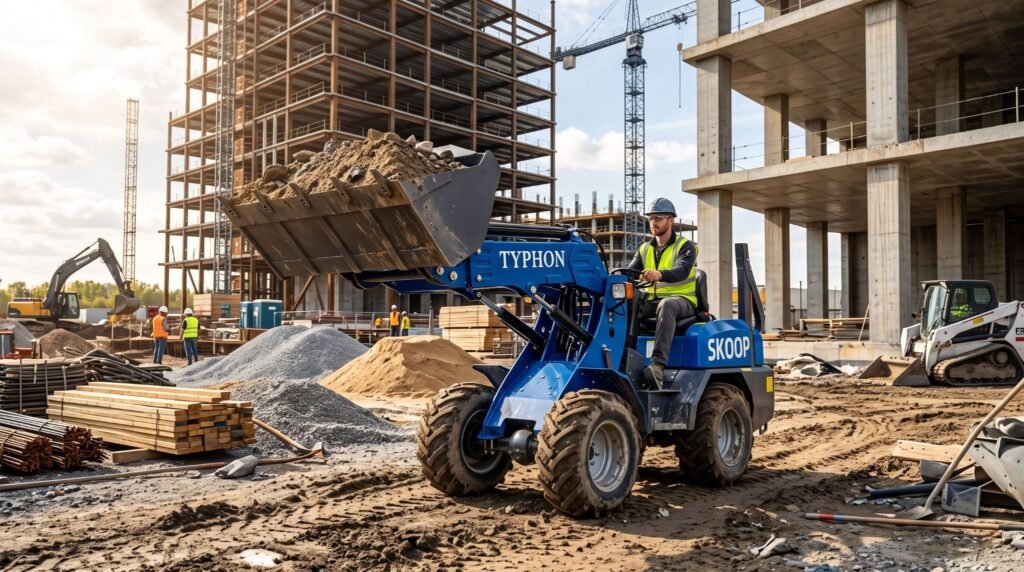
The front lip and the curl angle matter too. A profile that lets the operator curl the bucket back fully tips the load’s weight toward the rear, away from the spill edge. When the shape supports a good curl and a deep pocket, material settles securely inside instead of riding near the lip where every jolt shakes loose.
Takeaway: Profile shape sets both how full your bucket gets and how much it loses in transit, so the right curve and depth directly raise the real tonnage you deliver each cycle.
The Role of Side Walls and Floor Curvature
Retention isn’t only about overall depth. Two features do quiet, heavy lifting in keeping material in the bucket: the side walls and the curvature of the floor. Get these right, and material stays where you put it from scoop to dump.
Side walls help contain material from spilling over the edges, while the floor curvature guides the load toward the back of the bucket for better balance. Together, these design elements create a more secure carrying pocket, allowing operators to move material with fewer losses and smoother handling.
Side Walls That Contain the Load
The height and shape of a bucket’s side walls decide how much material can spill off the ends. Tall, well-formed sides act like walls on a container, holding a heaped load in place as the bucket rocks and tilts across uneven ground. Short or flared sides let material slough off the edges, especially with loose, free-flowing material like sand or grain.
Some buckets add bolt-on side extensions or spill guards to raise the walls for lighter, higher-volume material. These let you tune retention to the load, boosting containment when you’re carrying something that piles high and spills easily. For loose material, that extra wall height directly translates into more delivered per cycle.
Floor Curvature and the Retention Pocket
The curve of the bucket floor creates what you can think of as a retention pocket, the deep cradle that holds material low and back, away from the spill edge. A well-curved floor rolls material inward as you dig and keeps it settled during the carry, using the bucket’s own shape to fight spillage.
A flatter floor penetrates and dumps more easily but holds less securely, letting material creep forward toward the lip. That’s the constant balance in profile design: aggressive curvature retains beautifully but can resist clean dumping, while a flat floor empties fast but spills more. The best profile for you strikes the balance your material demands.
Takeaway: Tall side walls and a well-curved floor form the pocket that holds material low and contained, so these features matter as much to retention as the bucket’s overall size.
Conclusion
A wheel loader bucket profile directly affects how efficiently the machine collects, carries, and releases material. The bucket shape determines how material sits inside the load area, with general-purpose profiles offering balance across different tasks, rock buckets providing strength and retention for dense materials, and light-material designs maximizing volume for low-density loads. Features such as floor curvature and reinforced side walls help keep material positioned toward the rear of the bucket, reducing spillage and improving load stability during transport.
Choosing the right bucket profile requires more than focusing on capacity alone. Operators should consider material weight, size, flow characteristics, and how the loader is used most often to select a design that matches the application. A properly matched bucket helps reduce lost material, improve cycle efficiency, and avoid overloading the machine, allowing the wheel loader to move more material with better control and less wasted effort.
Frequently Asked Questions
Can I improve bucket retention without buying a new bucket?
Yes. Add-ons like side extensions, rear spill guards, or lip extensions can increase capacity and reduce spillage. However, they cannot change the bucket’s basic shape, so a poorly matched profile may still need replacement.
Does a bucket with better retention make dumping harder?
Sometimes. Deeper profiles and stronger retention can hold material better but may make sticky materials harder to release. The best bucket design balances carrying capacity with clean dumping based on the material being handled.
How do I know if my bucket profile is wrong for my material?
Common signs include frequent spillage, light loads, poor filling, or material sticking inside after dumping. The right profile should match the material, providing good retention for loose loads and easy release for sticky materials.